
Golden Triangle with Tigers & Birds: 11-Day Wildlife & Heritage Journey in India
Experience the best of India on this unforgettable 11-day journey through the iconic Golden Triangle and beyond. From the vibrant streets of New Delhi to the timeless beauty of Agra and the royal charm of Jaipur, this tour blends rich culture with thrilling wildlife encounters. Explore the famous Taj Mahal, spot rare and colorful birdlife in Bharatpur Bird Sanctuary, and embark on exciting safaris in Ranthambore National Park, home to the majestic Bengal tiger. Perfect for nature lovers and first-time visitors alike, this journey offers a unique mix of history, wildlife, and unforgettable landscapes before returning to New Delhi for your journey home.
Detailed Itinerary: Golden Triangle with Tigers & Birds (11 Days / 10 Nights)
Upon your arrival at New Delhi airport, you will be warmly welcomed by our representative who will assist you with the hotel check-in process. They will also provide you with all the necessary travel documents and information. Enjoy a comfortable overnight stay at the hotel.
After breakfast, embark on a 4-hour drive (220 km) to Agra. Upon arrival, check into your hotel. Later, visit the majestic red sandstone Agra Fort, situated on the banks of the Yamuna River. This impressive fort is enclosed by imposing 20-meter high walls, with a 12-meter moat surrounding it. Built by three successive Mughal emperors – Akbar, Jehangir, and Shah Jehan – the fort showcases a blend of Hindu and Muslim architectural styles. Enjoy an overnight stay at the hotel in Agra.
Before sunrise, begin your day with a visit to Agra, home to one of the world’s seven wonders, The Taj Mahal. Agra is renowned for its exquisite marble and soapstone inlay work crafted by skilled artisans over generations. The city is also famous for its gold thread, silver wholesale market, carpets, and leather shoes. The Taj Mahal, completed in 1652, was built over 17 years by skilled craftsmen from Persia, Turkey, France, Italy, and some 20,000 labourers. Please note that the Taj Mahal is closed on Fridays.
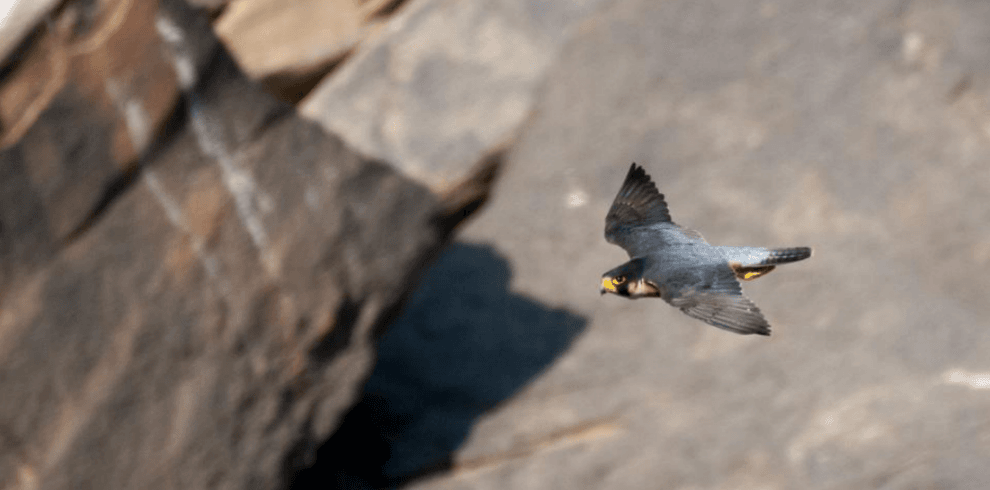
After lunch, depart for Bharatpur Bird Sanctuary, also known as Keoladeo National Park, a paradise for birdwatchers. This sanctuary is home to more than 400 species of water birds and is renowned for its diverse avian population. The park’s lightly wooded and swampy terrain covers 29 sq. km and was once a private hunting ground for the Maharaja of Bharatpur. Today, it serves as a protected breeding ground for various bird species. Enjoy an evening excursion at the Keoladeo National Park.
Dinner and overnight stay at the lodge in Bharatpur.
After exploring the Keoladeo Bird Sanctuary in the morning, embark on a journey to Ranthambore National Park. Situated in the Indian state of Rajasthan, Ranthambore Tiger Reserve comprises distinct areas with varied conservation history, virtually separated geographically, with narrow corridors linking them to the core Ranthambore National Park.
Ranthambore is renowned for its rich birdlife, boasting around 300 species of birds. It is a paradise for avid birdwatchers, offering sightings of fascinating resident species such as the Large Cormorant, Painted Spurfowl, Sarus Crane, Bronzed-winged Jacana, Sandpiper, Kingfisher, Nightjar, Painted Sandgrouse, Great Horned Owl, and many more regular winter migrants. These birds travel from their nesting grounds north of the Himalayas to Ranthambore and its surrounding areas.
Upon arrival, enjoy dinner and settle in for an overnight stay at the lodge in Ranthambore.
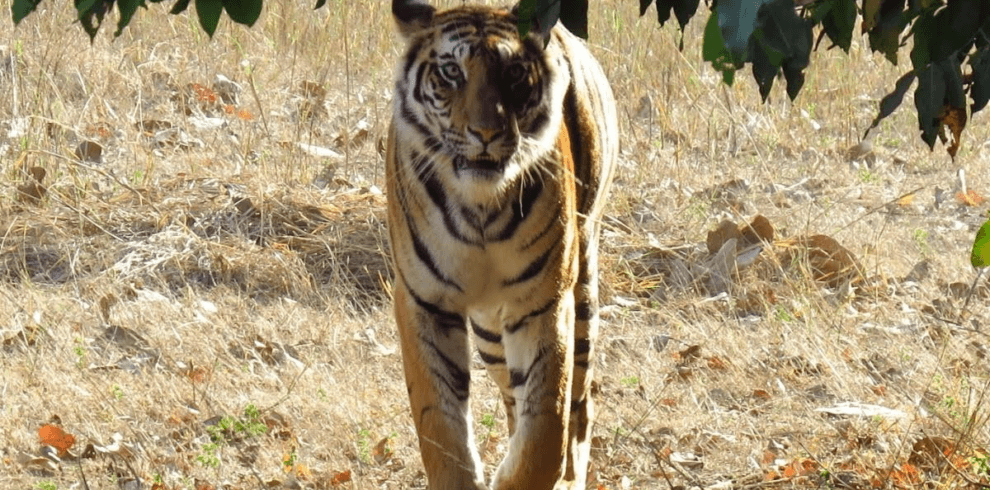
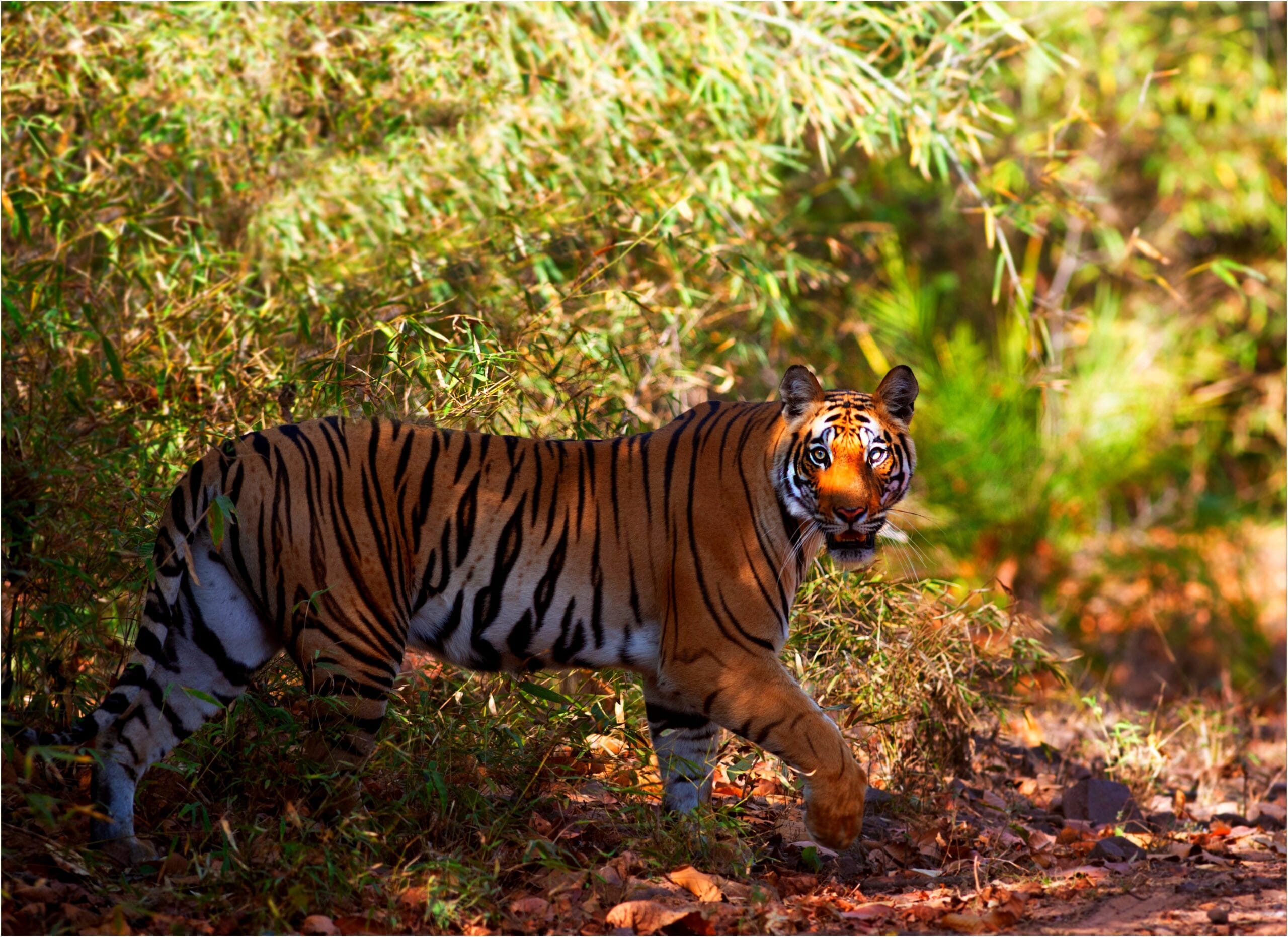
Morning and afternoon safaris in Ranthambore National Park offer a chance to witness its diverse wildlife. Spanning 400 sq. km, the park features rocky hill crests descending into open valleys between the Aravalli and Vindhya ranges. Water pools and fruit trees dot the landscape, with the ancient fortress of Ranthambore looming above.
Ranthambore is renowned for its diurnal activity of tigers, making it a unique place where nature’s present meets historical past. Wildlife such as sambar, cheetal, chinkara, nilgai, and langur roam freely. The elusive leopard and tigers are also found here, with tourists having a good chance of spotting them during safaris. Crumbling ruins of its past glory, including chatris, cupolas, palaces, and old guard posts, add to the mystical ambiance of this wilderness.
Enjoy meals at the lodge and stay overnight in Ranthambore.
Visit the eagle feeding place at Lake Furen. Drive along the coastline through Kiritappu Marsh, Cape Kiritappu and Lake Akkeshi. Drop off to Kushiro Airport for onward journey.
Meal Plan: Breakfast
In the morning, drive 11 km to the outskirts of the city to visit Amber Fort, the ancient capital of the State until 1728. Explore the Temple of Kali and the Hall of Victory or Jai Mahal.
In the afternoon, visit the Observatory, the Palace of Winds, and the City Palace and Museum. The museum features an interesting textile section showcasing dresses and costumes of the former Maharajas and Maharanis of Jaipur. Jaipur is renowned for its beautiful carpets, enamelled ornaments, precious and semi-precious stones, brass ornaments, and a variety of other arts and crafts. Enjoy exploring the bustling lanes and bylanes of the pink city, haggling and searching for souvenirs in the evening.
Return to the hotel for an overnight stay.
After a relaxed breakfast, drive back to New Delhi, covering a distance of 260 km which takes approximately 5 hours. Check-in at the hotel upon arrival. Overnight stay at the hotel in New Delhi.
After breakfast, embark on a full-day city tour of both Old and New Delhi.
In Old Delhi, visit the iconic Red Fort, a masterpiece built by Emperor Shah Jahan; Jama Masjid, one of India’s largest mosques; and take a leisurely cycle rickshaw ride through the narrow, bustling lanes of Chandini Chowk, offering views of the Red Fort, Jama Masjid, and ancient architectural marvels.
Explore Raj Ghat, the serene memorial dedicated to Mahatma Gandhi, and enjoy a walking tour of Chandni Chowk, known for its vibrant atmosphere and historical significance.
In the afternoon, visit the historic Qutab Minar, India’s tallest stone tower, and India Gate, a grand war memorial arch. Drive past the President’s House, Parliament House, Government secretariat buildings, and Connaught Place, a bustling shopping center and the heart of New Delhi. Overnight stay at the hotel in New Delhi.
Enjoy a leisurely morning before transferring to the international airport for your onward journey home or to your next destination.
FAQs
The tour includes accommodation, daily breakfast, guided sightseeing in New Delhi, Agra, Jaipur, Bharatpur, and Ranthambhore, wildlife safaris, park entry fees, and airport transfers. Flights are not included unless specified.
The ideal time is between October and March when the weather is pleasant for sightseeing, birdwatching, and tiger safaris in Ranthambhore.
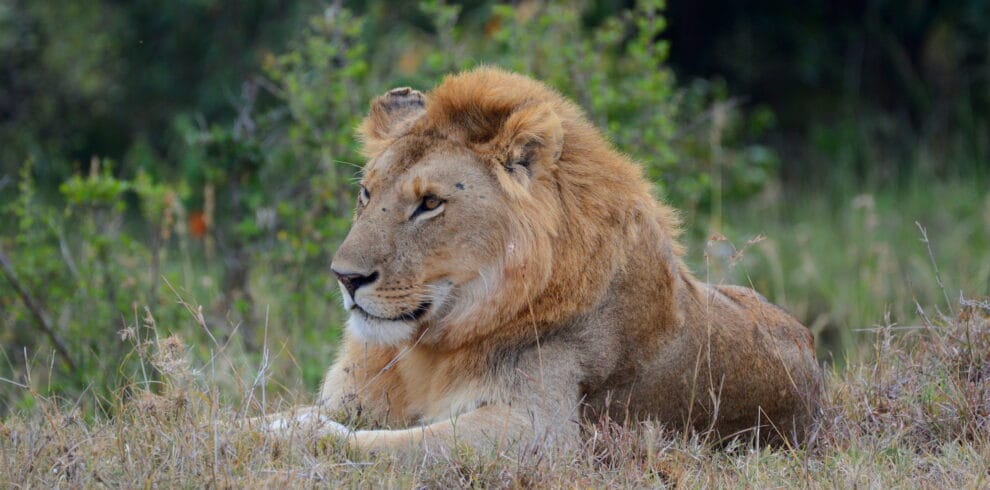
You can spot Bengal tigers, leopards, jackals, and various herbivores in Ranthambhore. Bharatpur Bird Sanctuary is perfect for seeing migratory birds, kingfishers, and colorful local species.
Yes! The tour is designed for all ages, offering a comfortable pace, exciting wildlife experiences, and cultural highlights, making it ideal for families and first-time travelers.
Pack comfortable clothing for warm days, light jackets for early morning safaris, sturdy walking shoes, sun protection, binoculars for wildlife and birdwatching, and a camera to capture the amazing landscapes and wildlife encounters.