



PASSPORT AND VISAS
As a new traveller, here’s some important information to keep in mind:
Make sure you have a return ticket and ensure your passport remains valid for at least 6 months after your intended stay, with at least two blank pages available for entry stamps.
Zimbabwe sorts passport holders into categories: some nationalities enter visa-free for up to 90 days, while most others (including the US, UK, EU, and Canada) can obtain a visa on arrival or apply online in advance via evisa.gov.zw. Visa fees are typically USD 30–75 depending on nationality and visa type, payable in cash on arrival if not applied for online.
If your journey includes time on the Zambian side of the Falls, the KAZA Univisa (USD 50) covers both Zimbabwe and Zambia, plus day trips into Botswana via Kazungula, and can be a cost-effective option for multi-country itineraries.
We recommend applying for any required visa at least 2–3 weeks ahead of travel and confirming current requirements with your nearest Zimbabwean mission, as rules vary by nationality.
HEALTH
When planning to visit Zimbabwe, it is best to consult with your healthcare provider at least 6 weeks before your trip. There are no mandatory vaccinations for entry, but malaria risk is present in lower-lying regions — including the Victoria Falls and Zambezi Valley area — so antimalarial tablets and mosquito precautions are strongly recommended.
If you’re travelling from or through a country where Yellow Fever is present, you’ll need a Yellow Fever vaccination certificate to enter Zimbabwe. Check with the Yellow Fever health authority in your home country well ahead of your travel dates.
You should also check the latest recommendations from the Centers for Disease Control & Prevention or National Travel Health Network and Centre for more information.
TRAVELLERS’ INSURANCE AND EVACUATION
All travellers must have travel insurance or enough financial resources to cover potential costs in case of a medical emergency, trip disruption, or early termination of their journey.
SUGGESTED PACKING LIST
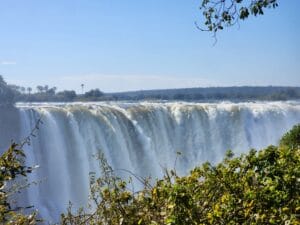
We suggest wearing long trousers and bringing a long-sleeved shirt or light sweater for game drives and cooler evenings. Layering is a good approach! If your itinerary includes a visit to the Falls themselves, pack a light rain jacket or poncho — the spray from the “Smoke that Thunders” can soak you even on a clear day, especially during high-water season (roughly March to May).
Clothing:
| Toiletries:
|
Electronics:
|
GENERAL INFORMATION
Currency & Tipping:
The US Dollar is the practical currency for almost all tourism spending in Zimbabwe — lodges, park fees, transfers, and activities are generally quoted and paid in USD. Bring clean, undamaged notes, ideally printed after 2013, as older or marked bills may be refused. The local currency, the Zimbabwe Gold (ZiG), is used for small everyday purchases, but you won’t need to exchange money for a typical safari or Falls visit. ATMs can be unreliable, so plan to carry sufficient USD cash.
Tipping is customary and appreciated; around 10% of the total trip cost is a common average to distribute as you see fit. A few things to consider: Guides are usually tipped separately from any other staff you may encounter (for example, at the camps). Where possible, tip directly to the staff as opposed to putting into a tip box. This ensures that each staff gets their tips directly.
SAFARI ETIQUETTE
Listen to your guide as they work knowing the rules and regulations and work within those for the safety and comfort for all.
Please do not litter. Carry any litter, including biodegradables, back to camp/lodge/hotel and dispose appropriately.
Stay in the vehicle at all times.
Do not disturb wildlife, either with the vehicle or on foot. Remember, wildlife has right of way. They are also unpredictable and can be dangerous.
Keep sounds low and encourage silence especially when wildlife is nearby.
Never feed any wildlife as our foods would cause them harm.
Avoid flash photography.
Respect all customs, communities, and religions.


